NAIROBI, Kenya —
A devastating drought is tightening its grip on East Africa, pushing more than two million people in Kenya toward hunger and threatening to plunge the region into a humanitarian catastrophe reminiscent of the crisis that claimed countless lives just three years ago.
According to reports released this week, ten Kenyan counties are experiencing drought conditions, with cattle-keeping communities in the northeast—particularly those near the Somalia border—facing the most severe impacts. Mandera County has been classified at "alarm" level, indicating critical water shortages, widespread livestock deaths, and concerning rates of child malnutrition.
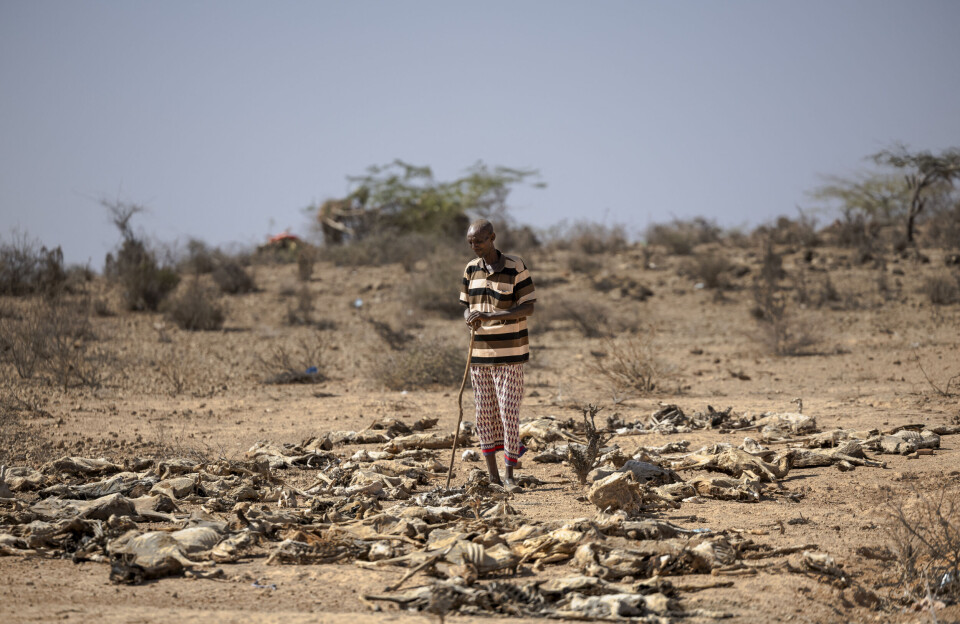
The October-December 2025 rainy season, which pastoralist communities depend on to replenish water sources and grazing lands, was one of the driest on record. In parts of eastern Kenya, rainfall during what should have been the wet season was the lowest since 1981, leaving aquifers depleted and vegetation scorched.
A Crisis Decades in the Making
While droughts have always been part of East Africa's climate cycle, scientists point to climate change as the driving force behind their increasing frequency and intensity. Warming temperatures in the Indian Ocean have disrupted traditional rainfall patterns, making wet seasons less reliable and dry seasons more punishing.
The current crisis echoes the devastating drought of 2020-2023, when millions of livestock perished across the Horn of Africa, traditional livelihoods collapsed, and food insecurity reached catastrophic levels. That drought, described at the time as the worst in 40 years, displaced millions and pushed pastoralist communities to the brink of famine.

Many affected communities had barely begun to recover when the current dry spell struck. Herds that had been painstakingly rebuilt over recent years are once again dying, and families who had returned to their traditional grazing areas are being forced to move in search of water and pasture.
"The community has not had time to recover from the previous drought," explained one aid worker operating in Mandera County. "People lost everything just a few years ago. Now they are losing everything again."
Somalia: Three Million Displaced and Counting
Across the border in Somalia, the situation is equally dire. More than three million people have been internally displaced by drought and conflict, with makeshift camps swelling around urban centers as rural communities flee parched lands.
In Baidoa, one of the main settlements for internally displaced persons, conditions have deteriorated alarmingly. According to humanitarian assessments, approximately 70 percent of displaced people in Baidoa are surviving on one meal a day or less. Many families report going entire days without eating.
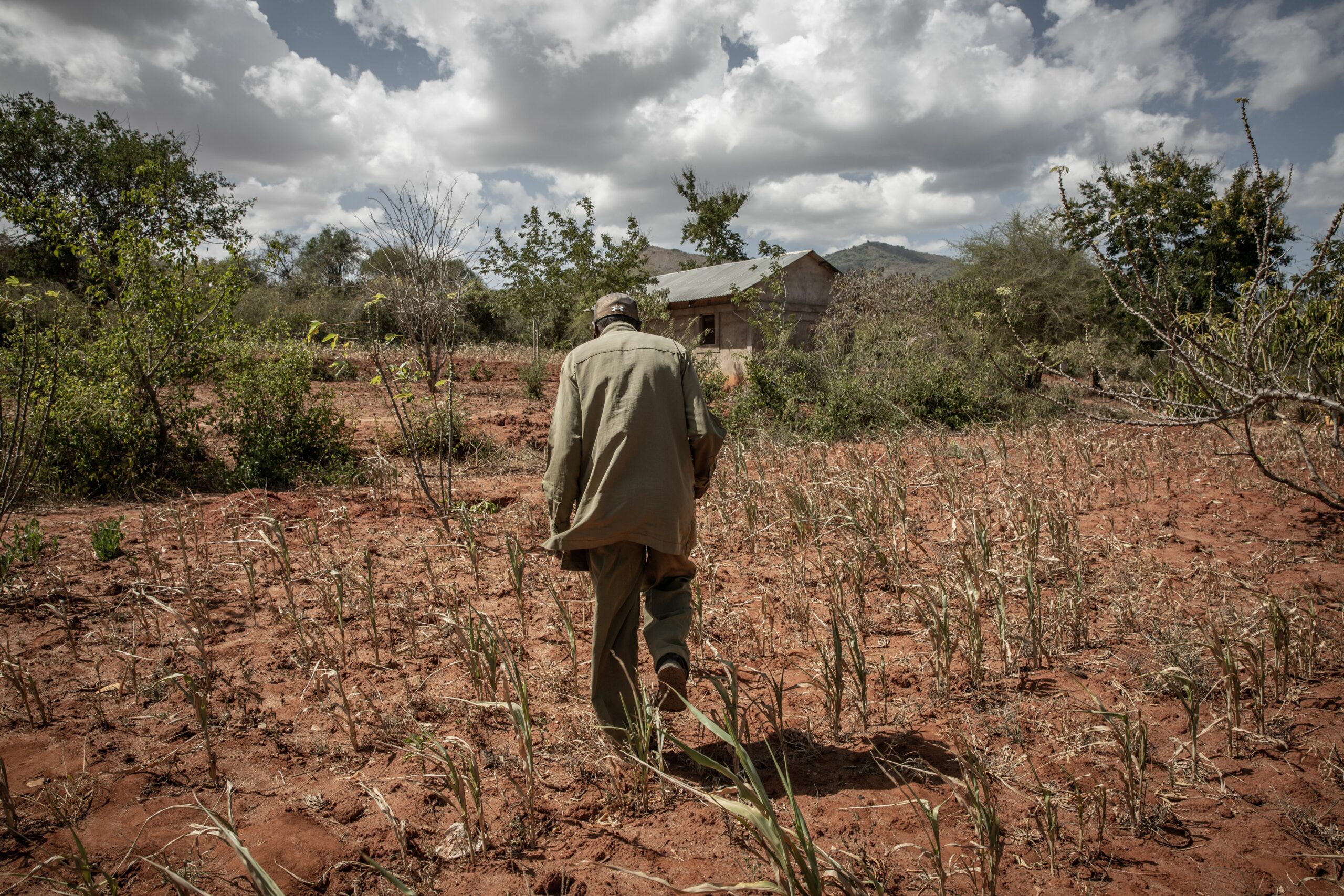
The combination of drought and ongoing conflict has created a perfect storm of vulnerability. Armed groups continue to operate in many drought-affected areas, hampering humanitarian access and preventing communities from accessing assistance. Meanwhile, food prices have spiked as local production has collapsed, putting even basic staples beyond the reach of many families.
Somalia has experienced severe food crises before—the 2011 famine claimed an estimated 260,000 lives—and humanitarian officials warn that the current trajectory could lead to similar outcomes if intervention does not scale up dramatically.
Tanzania and Uganda Also Affected
While Kenya and Somalia have captured most attention, neighboring Tanzania and Uganda are also experiencing drought conditions that threaten food security for millions.
In northern Tanzania, pastoralist communities that share cultural and economic ties with their Kenyan counterparts are reporting similar patterns of livestock deaths and water scarcity. Traditional coping mechanisms, such as migrating to better-watered areas, are becoming less effective as drought conditions become more widespread.
Uganda's Karamoja region, which has historically been one of the country's most food-insecure areas, is once again experiencing acute hunger. The region, home to pastoralist communities similar to those in Kenya's affected areas, has struggled with recurring drought for decades.
The Human Cost
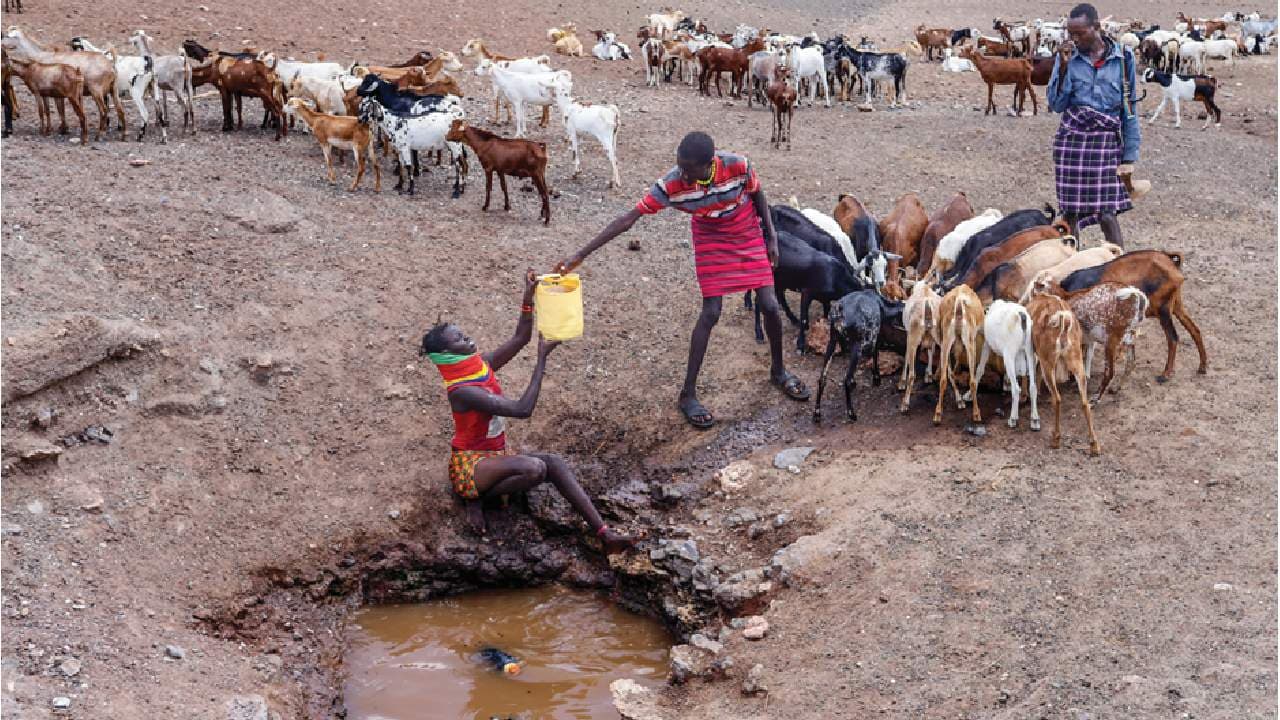
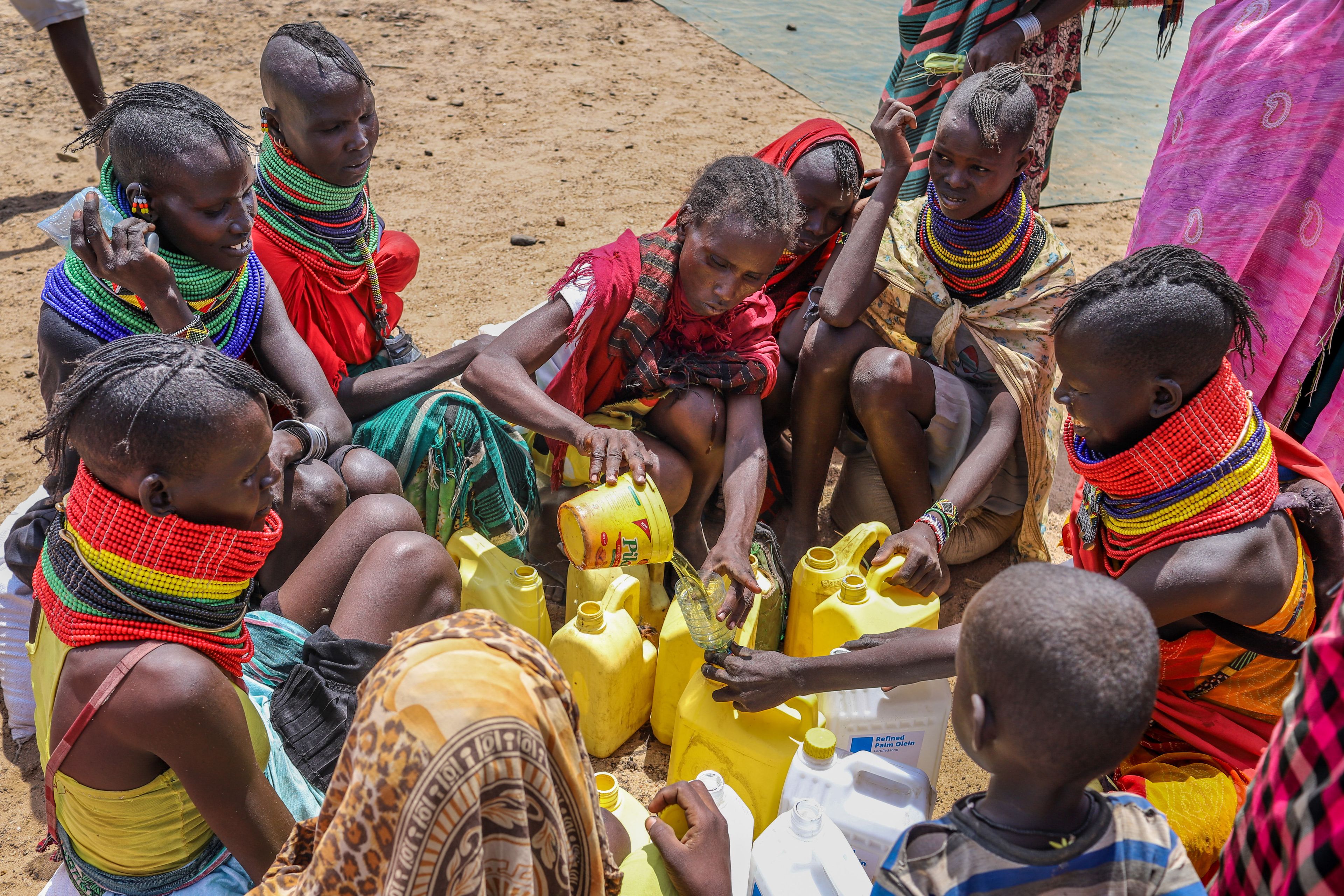
Behind the statistics are human stories of suffering and resilience. In Mandera County, mothers are walking for hours to reach boreholes that may or may not have water. Children are being pulled from school to help with the increasingly desperate search for water and forage. Elders who remember previous droughts speak of this one with particular dread.
For pastoralist communities, livestock are not merely economic assets but form the foundation of cultural identity, social relationships, and traditional practice. The death of animals represents not just financial loss but a profound disruption of an entire way of life.
"When our animals die, part of us dies with them," one Kenyan herder told humanitarian workers. "They are our wealth, our tradition, our children's future. Without them, we are nothing."
The psychological toll of repeated climate shocks is increasingly recognized as a crisis within the crisis. Communities that have experienced multiple droughts in rapid succession report high levels of anxiety, depression, and hopelessness—conditions that are difficult to address when immediate survival needs remain unmet.
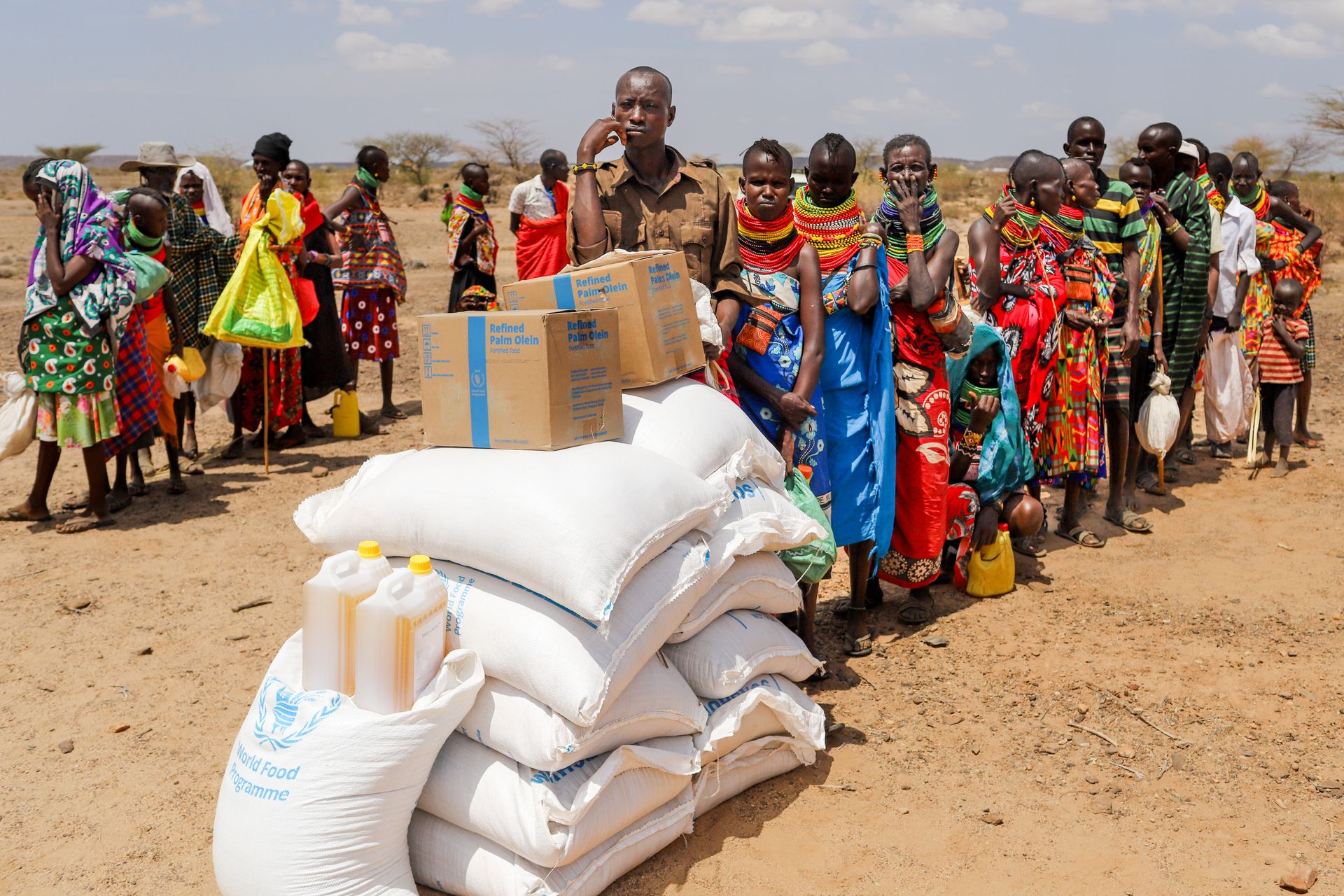
residents line up to receive emergency food assistance as the prolonged drought persists in Nalemkais Village, Turkana County, Kenya.
Humanitarian agencies have appealed for increased funding to respond to the East African drought, warning that current resources are inadequate to meet the scale of need. The United Nations and international NGOs have positioned supplies in affected areas but report that access challenges and funding gaps are limiting their reach.
Kenyan authorities have activated drought response mechanisms, deploying water trucks to affected communities and distributing food aid. However, officials acknowledge that government resources alone are insufficient to address a crisis of this magnitude.
The international community has been urged to provide urgent assistance while also investing in longer-term resilience programs that can help communities adapt to increasingly unreliable climate patterns. Such programs might include irrigation projects, drought-resistant crops, and diversification of livelihoods beyond pastoralism.
A Warning for the Future
Scientists warn that what East Africa is experiencing today may become the new normal if global climate change continues unchecked. The region is projected to experience more frequent and intense droughts, interspersed with equally damaging floods, as warming temperatures disrupt weather patterns.
For the millions currently facing hunger in Kenya, Somalia, and neighboring countries, such projections offer little comfort. Their immediate concern is surviving the current crisis—finding water for their families, food for their children, and grazing for any animals that remain alive.
As the sun beats down on parched East African landscapes, the region awaits rain that may not come in time, and the international community faces urgent questions about its responsibility to those on the front lines of a climate crisis they did little to create.
---
Source: Associated Press, February 10, 2026