---
AfriVerse Africa Correspondent | February 12, 2026
ANTANANARIVO, Madagascar — The death toll from Tropical Cyclone Gezani has risen to 31 as rescue teams continue to assess the devastation wrought by what officials have called a "monstrous" storm that tore through Madagascar's eastern coast earlier this week.
The cyclone made landfall near Toamasina, the country's largest port city, bringing fierce winds and torrential rainfall that crushed homes, uprooted trees, and left a trail of destruction across one of the island nation's most populated regions. Initial reports indicated approximately 20 fatalities, but that figure has climbed as search and rescue operations reach previously inaccessible areas.
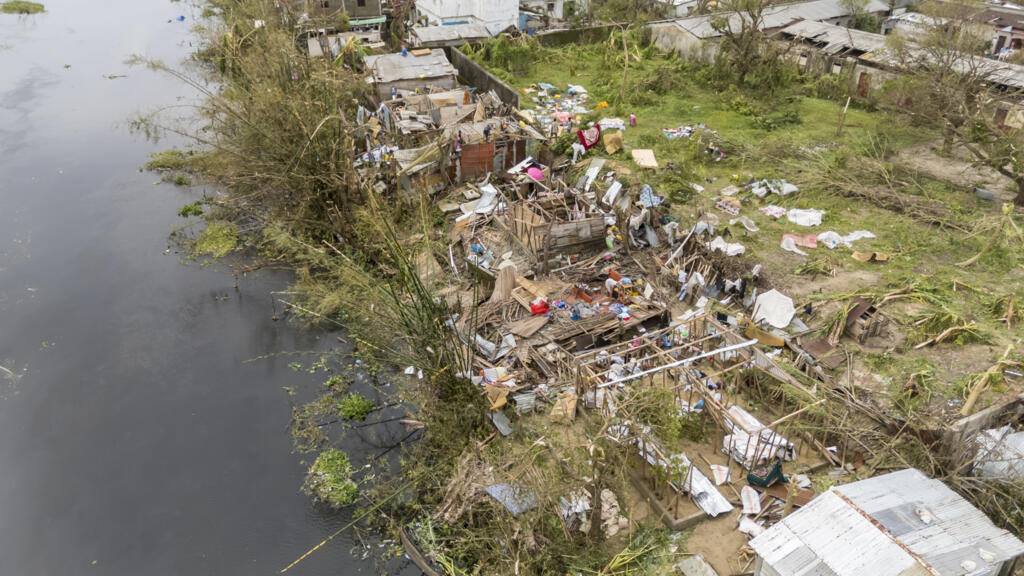
Toamasina, home to more than 300,000 people and the gateway for much of Madagascar's international trade, bore the brunt of Gezani's fury. Images from the city show collapsed buildings, flooded streets, and residents picking through the remains of their homes in search of salvageable belongings.
Devastation in Toamasina
The scale of destruction in Toamasina has shocked even those accustomed to Madagascar's regular encounters with tropical cyclones. Entire neighborhoods have been flattened, with corrugated iron roofs—the most common building material in many parts of the city—torn away and scattered across streets and fields.
Critical infrastructure has also been severely impacted. Roads leading in and out of the city have been blocked by debris and flooding, hampering rescue efforts and the delivery of humanitarian assistance. Power outages have affected large swaths of the region, and water supply systems have been disrupted.
The port of Toamasina, which handles the majority of Madagascar's imports and exports, sustained significant damage. While full assessments are still ongoing, port authorities have indicated that operations will be limited for the foreseeable future, raising concerns about supply chain disruptions that could affect the entire country.
"This cyclone was monstrous," one government official told reporters, surveying the damage in Toamasina. "The strength of the wind, the amount of rain—we have not seen anything like this in many years."
Rescue Operations Underway
Malagasy authorities have mobilized rescue teams to reach affected communities, though operations have been complicated by damaged infrastructure and ongoing weather conditions. The military has been deployed to assist with search and rescue operations and to help clear blocked roads.
International humanitarian organizations have begun coordinating response efforts, with the United Nations and various NGOs assessing needs and pre-positioning supplies. The Red Cross has activated emergency response teams, and shelters have been established for those displaced by the storm.
Priority is being given to locating individuals who may be trapped in collapsed structures and providing emergency medical care to the injured. Hospitals in Toamasina reported being overwhelmed in the immediate aftermath of the cyclone, with many facilities themselves having sustained damage.
Authorities have warned that the death toll may continue to rise as teams reach remote areas that were in the storm's path. Communication networks in some regions remain down, making it difficult to assess conditions in outlying communities.
Madagascar's Vulnerability to Cyclones
Madagascar's location in the southwestern Indian Ocean makes it one of the most cyclone-prone countries in the world. The island nation experiences several tropical storms each year during the cyclone season, which runs from November through April.
However, scientists have noted with concern that cyclones affecting Madagascar appear to be intensifying, consistent with global patterns attributed to climate change. Warmer ocean temperatures provide more energy for storm development, while rising sea levels exacerbate the impact of storm surges.

Cyclone Freddy, which struck Madagascar in February 2023, provided a stark illustration of these trends. That storm, one of the longest-lasting tropical cyclones ever recorded, hit Madagascar twice during its unusual weeks-long journey across the Indian Ocean, bringing winds of up to 180 kilometers per hour and killing more than 30 people on the island.
The frequency and intensity of these storms place enormous strain on a country that already ranks among the world's poorest. Madagascar has limited resources for disaster preparedness and response, and repeated cyclones prevent communities from fully recovering between events.
Economic Impact
Beyond the immediate humanitarian toll, Cyclone Gezani threatens to inflict lasting economic damage on Madagascar. The agricultural sector, which employs the majority of the population, typically suffers heavily during cyclone season as crops are destroyed and livestock killed.
Eastern Madagascar is particularly important for vanilla production, with the country producing approximately 80 percent of the world's supply of the valuable spice. Vanilla vines are highly sensitive to strong winds and flooding, and early reports suggest significant damage to plantations in the storm's path.
The disruption to Toamasina's port operations could have cascading effects throughout the economy. The port handles essential imports including fuel and rice, and any extended closure would likely lead to shortages and price increases that would hit the poorest Malagasy citizens hardest.

Tourism, another crucial source of foreign exchange, may also be impacted. Madagascar's unique biodiversity makes it a popular destination for eco-tourists, but images of cyclone devastation could deter visitors during what is supposed to be peak season.
International Solidarity
The international community has begun responding to the disaster, with neighboring countries and development partners offering assistance. France, the former colonial power, has traditionally played a significant role in disaster response in Madagascar and is expected to provide support.
Regional organizations, including the African Union and the Southern African Development Community, have expressed solidarity with Madagascar and pledged to coordinate assistance. The Indian Ocean island nations, which share similar vulnerabilities to tropical cyclones, have also offered support.
However, aid officials caution that Madagascar's needs will far exceed what can be met through international assistance alone. The country faces chronic challenges including extreme poverty, food insecurity, and inadequate infrastructure that predate any individual disaster.
Recovery and Resilience
As Madagascar begins the long process of recovery from Cyclone Gezani, questions are being raised about how the country can build greater resilience to future storms. Climate scientists warn that cyclones affecting the region are likely to become more intense in the coming decades, making adaptation essential.
Proposals include strengthening building codes to ensure structures can withstand high winds, improving early warning systems to give communities more time to prepare, and relocating residents from the most vulnerable coastal areas. However, implementing such measures requires resources that Madagascar struggles to mobilize.
For now, the focus remains on the immediate emergency: rescuing any survivors still trapped, treating the injured, sheltering the displaced, and beginning the grim work of recovering and burying the dead. The people of Toamasina and eastern Madagascar, no strangers to nature's power, are once again demonstrating the resilience that has seen them through countless storms before.
---
Sources: Associated Press, Al Jazeera, February 11, 2026