# South Africa's Tyla Makes History with Second Grammy Win, Cementing Global Superstar Status *By Moses Simon, AfriVerse Entertainment Correspondent | February 2, 2026* —

South African music sensation Tyla has once again made African music history by winning her second Grammy Award at the 68th Annual Grammy Awards ceremony held at the Crypto.com Arena in Los Angeles on Sunday night.
The 23-year-old Johannesburg native, whose real name is Tyla Laura Seethal, won Best Global Music Performance for her chart-topping single "Shake It," adding to her historic Best African Music Performance win at last year's ceremony.

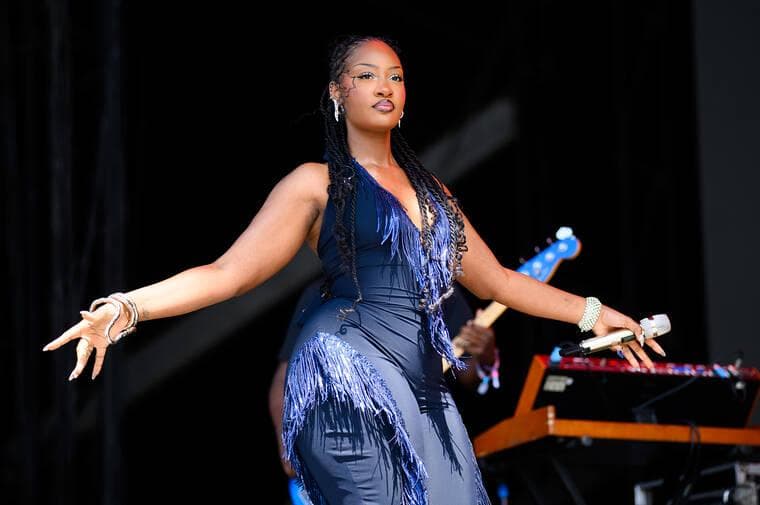
The victory cements Tyla's status as the most successful African artist in Grammy history and positions her as the face of a new generation of African musicians conquering the global stage. Dressed in a stunning custom Maxhosa Africa gown that paid homage to her South African heritage, Tyla took the stage to thunderous applause from the celebrity-filled audience.

Her acceptance speech struck a chord with viewers worldwide. "This is for every little girl in Joburg, in Lagos, in Nairobi, in Accra who dreams of seeing themselves on this stage," Tyla said, holding back tears. "Africa is not just coming—Africa is here. We have arrived, and we are not going anywhere."

The emotional moment drew a standing ovation from fellow artists including Beyoncé, Taylor Swift, and Nigerian superstar Burna Boy, who was nominated in the same category.
Tyla's Grammy journey began in 2024 when she became the first recipient of the newly created Best African Music Performance category.

Her debut single "Water" became a global phenomenon, reaching number one in 15 countries and amassing over 2 billion streams across platforms. "What Tyla represents goes beyond music," said Sipho Dlamini, Managing Director of Universal Music Africa. "She's proof that African artists can compete and win at the highest level without compromising their identity. She sings in English, Zulu, and street slang.

She mixes amapiano with pop. She's authentically African and universally appealing." The Best Global Music Performance category, which she won this year, is even more significant as it places her in competition with artists from across the world, not just Africa. Her victory over nominees from India, Brazil, Jamaica, and Korea demonstrates the global appeal of her sound. Tyla's success has brought unprecedented international attention to amapiano,

the South African music genre characterized by synths, airy pads, and distinctive log drums. Once confined to township parties in Gauteng province, amapiano has now become one of the world's fastest-growing music genres. "Amapiano was already huge in Africa, but Tyla introduced it to mainstream American and European audiences," explained music journalist Sabelo Mkhabela of Channel O Africa.

"She's done for amapiano what Burna Boy did for Afrobeats—taken a local sound global." Streaming data supports this assessment. According to Spotify, amapiano streams increased by 340% globally following the release of "Water," with the genre now regularly featuring in the platform's top 50 global charts. Tyla's Grammy victories have attracted attention from major industry players.

The singer recently signed a reported $25 million deal with Epic Records for her upcoming album, making her one of the highest-paid African artists in history. "Tyla is not just a musician; she's a movement," said Epic Records CEO Sylvia Rhone. "She represents the future of global pop music—diverse, authentic, and boundary-breaking."

The singer has also become a fashion icon, landing major campaigns with luxury brands including Louis Vuitton, Dior, and MAC Cosmetics. Her influence extends beyond music into fashion, dance, and youth culture. Industry experts say Tyla's success is having a tangible impact on the African music ecosystem. Record labels are increasing investment in African talent, and international festivals are booking more African headliners. "We're seeing a ripple effect," said Godwin Tom, founder of African music platform Audiomack Africa.


"Major labels that previously ignored Africa are now scrambling to sign talent. Our artists are getting better deals, more creative control, and bigger audiences." The Grammy victory has also boosted music tourism to South Africa. The KwaZulu-Natal Tourism Authority reported a 45% increase in inquiries about music-themed tours following Tyla's first Grammy win, with visitors eager to experience the birthplace of amapiano. In Johannesburg, news of Tyla's victory sparked spontaneous celebrations.

Fans gathered at the iconic Nelson Mandela Square in Sandton, playing her music and dancing until the early hours. "She's our daughter, South Africa's daughter," said Sarah Mogale, a 45-year-old accountant who joined the celebrations with her teenage daughter. "When she wins, we all win." The South African government also acknowledged the achievement. Arts and Culture Minister Zizi Kodwa released a statement congratulating Tyla: "Your success is a beacon of hope for our creative industries. You have shown the world that South African talent is world-class."

 Tyla shows no signs of slowing down. Her highly anticipated sophomore album, reportedly titled "African Queen," is scheduled for release in April 2026. Collaborations with Drake, Bad Bunny, and Rihanna are rumored to feature on the project. The singer is also embarking on her first global headlining tour, with dates announced across North America, Europe, Asia, and an extensive African leg that will see her perform in 15 countries across the continent.

"I want to bring this Grammy energy home," Tyla said in a post-ceremony interview. "Africa made me. Every show I do on this continent will be special." Perhaps Tyla's most significant impact is on aspiring African artists who now see a clear path to global success.

"Before Tyla, we dreamed. Now we know it's possible," said Amara Okonkwo, a 19-year-old aspiring singer from Nigeria studying music production in Lagos. "She didn't change who she was to fit in. She made the world come to her. That's the blueprint." Music education programs across Africa are reporting increased enrollment, with young people inspired by Tyla's journey. The singer has contributed to this trend, establishing the Tyla Foundation, which provides music education and instruments to underprivileged youth in South Africa.

Beyond statistics and accolades, Tyla's success represents a broader cultural shift. African music, fashion, and culture are increasingly influencing global trends rather than merely following them. "We're witnessing the decolonization of pop culture in real-time," observed Professor Pumla Gqola, a cultural studies scholar at the University of the Witwatersrand. "For so long, African artists had to assimilate to succeed internationally.

Tyla has flipped that narrative. The world is now assimilating to African sounds." As Tyla posed with her second Grammy backstage, photographers capturing her in her African-designed gown, she embodied this new reality—a young African woman, proudly representing her heritage, standing at the pinnacle of global entertainment.

The message was clear: Africa's moment is now.